

Ayano’s Raw Digital Alchemy:
In the ever-evolving world of contemporary art, where perfection often dominates both aesthetics and perception, Moroccan artist Ayman Aborat — widely known as Ayano — emerges as a disruptive force. His art is not about clean lines, flawless finishes, or traditional beauty. Instead, Ayano thrives in the chaos, the noise, the glitches, and the deliberate embrace of imperfection.
Ayano’s creative journey began with a search for meaning. “What inspired me to begin creating art and exploring visual expression was purpose,” he reflects. “I tried to find a purpose for my existence, and I fell into creating art in my own way, instead of following what others are doing.” That inner quest for purpose is what transformed him from an observer into a creator. For Ayano, art was never a choice — it was a necessity, a way to carve out meaning in a world that often demands conformity.
Unlike many digital artists who aim for sleekness, Ayano intentionally seeks the opposite. His works are layered with grain, noise, distortion, and instability. They are not meant to be perfect, but to challenge the very notion of perfection. “My artistic style is raw and layered, and I strive to not make it perfect but rather imperfect and unstable,” Ayano explains. “That’s why I use a lot of grain and noise and pixels in my work — because why make beautiful perfect art when you can make something raw, too messy, which in its own way is beautiful?”

This philosophy places him in direct opposition to a digital culture often obsessed with filters, sharpness, and aesthetic polish
His creations deliberately feel digital — pixelated, noisy, glitchy — but with a human touch. Ayano frequently integrates hand-drawn elements, small imperfections that remind the viewer that behind the screen, there is still a human being who is vulnerable, searching, and imperfect.
Ayano’s transition into digital art did not mean abandoning humanity. In fact, it was the opposite. “When I made the switch to digital, I wanted to make something that is digital and considered digital. That’s why, when I make my work, I also add a bit of hand-drawn touches or make you feel that it is digital with the pixels and noise and grain.”
For him, digital art is not just about technology but about exploring the tension between machine and man, control and chaos. His style embodies what he calls “messy trash art” — pieces that refuse to conform to the standards of neat design, yet carry immense emotional resonance.

Beyond Beauty
In Ayano’s world, beauty is not about symmetry or flawlessness. It is about the honesty of imperfection. He hopes that when people encounter his work, they will experience something deeper than admiration for visual technique. “I hope my art makes people experience the beauty in imperfect, weird creations and messy trash art,” he says. His work invites viewers to rethink what beauty can be — not something polished, but something raw, fragile, and even unstable.
This approach places Ayano in a lineage of artists who rebel against traditional structures, embracing a more human, unfiltered representation of reality. He belongs to a generation of digital creators who are dismantling the old standards of beauty, forging new ways of seeing in a world already saturated with overly curated perfection.
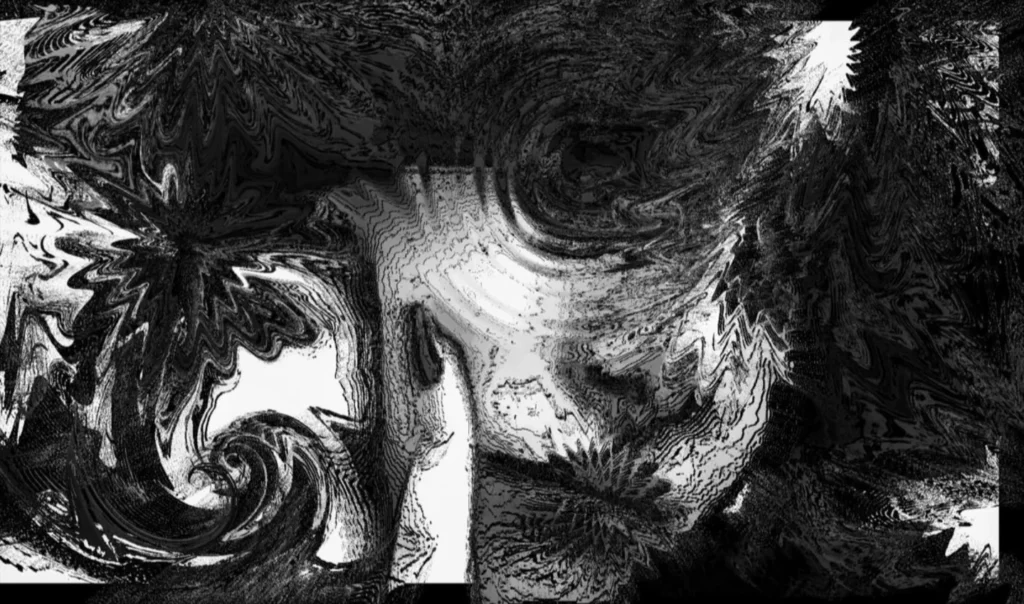
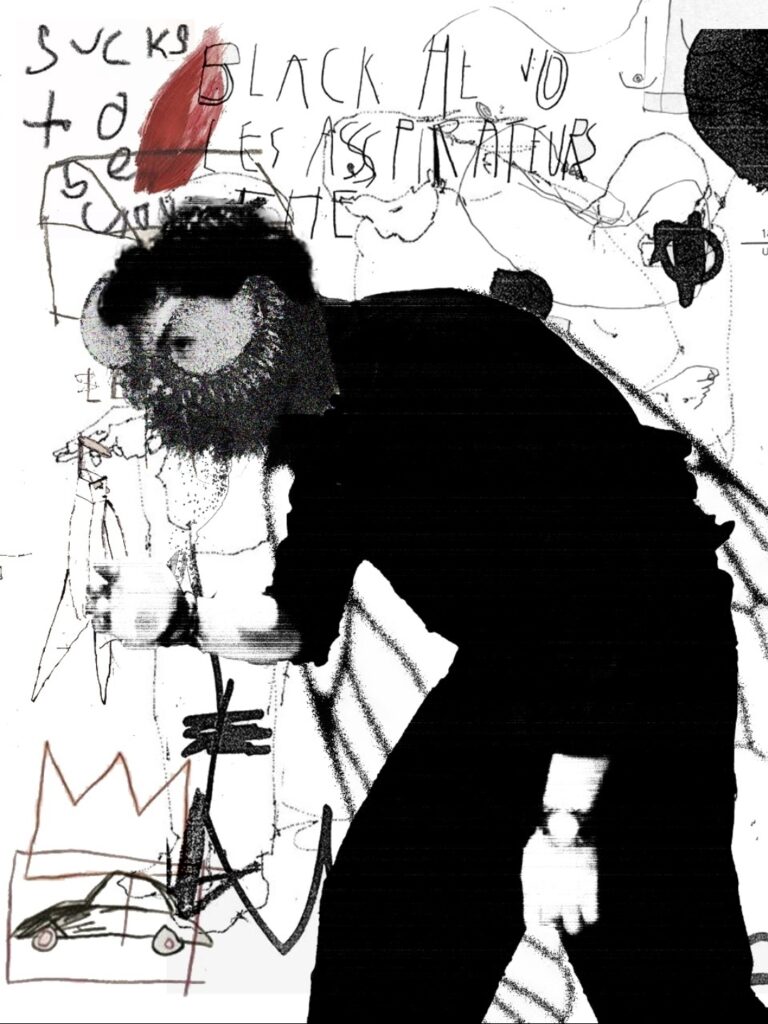
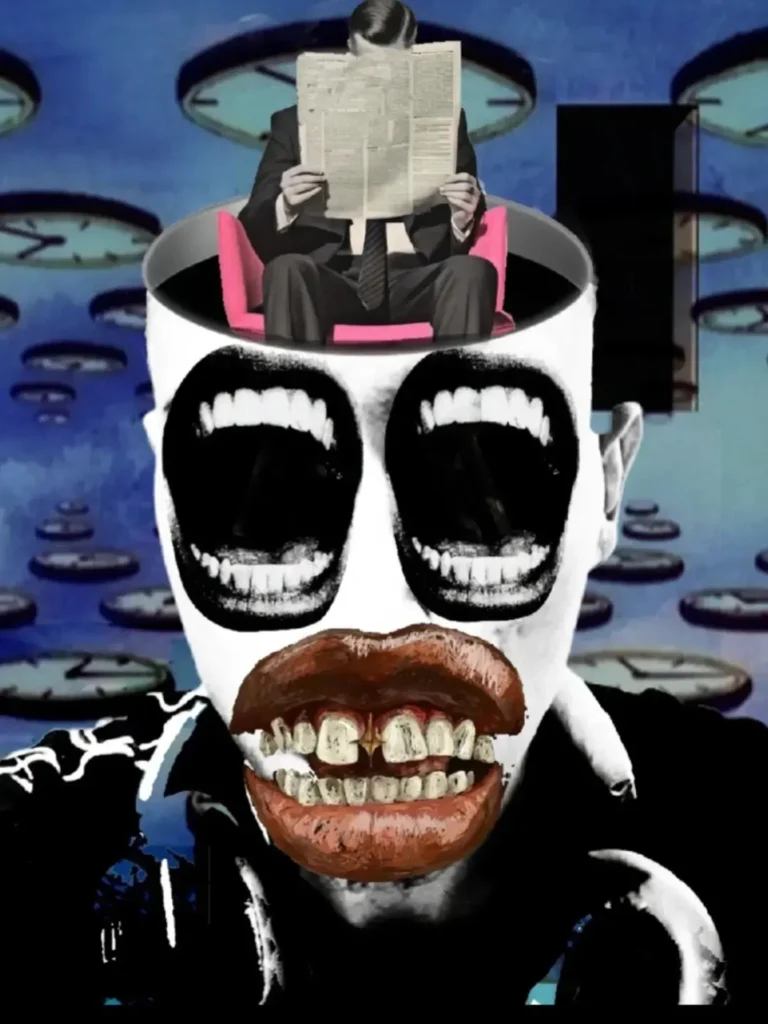
Ayano’s journey is still unfolding, but his commitment to imperfection gives his work timeless relevance. In an era when algorithms prioritize clean, flawless visuals, Ayano’s grainy, noisy digital canvases remind us that chaos is natural, instability is real, and beauty exists in what is often overlooked.
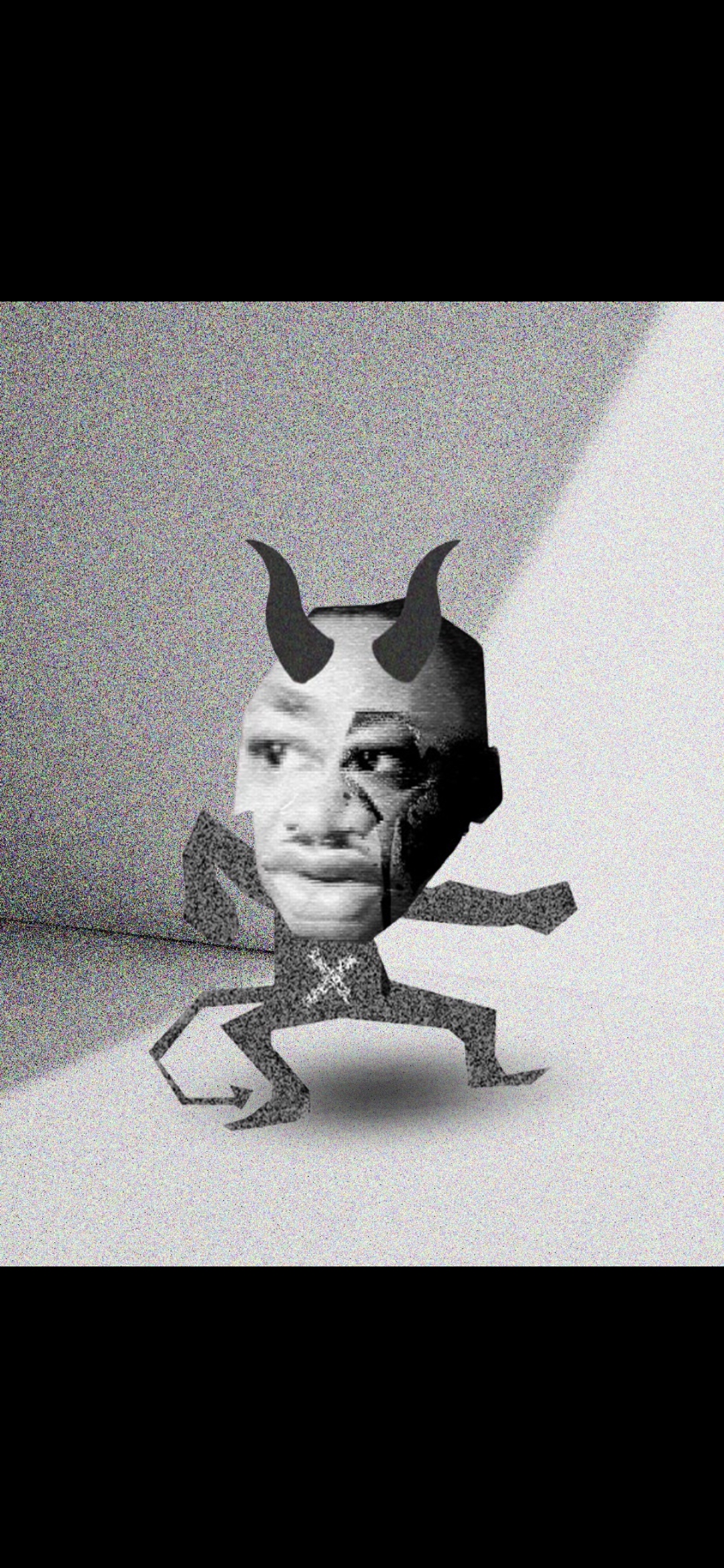
His art is not a comfort zone
His art is not a comfort zone — it is a confrontation, an invitation to sit with discomfort, distortion, and messiness, and to recognize in them a strange form of beauty. As Ayano continues to experiment and expand his visual language, his art serves as both rebellion and revelation: a reminder that imperfection is not a flaw, but the essence of existence itself.
Check Out More Icons Around The World